2% Defended but No Room for Comfort: 5 Reasons the Bank of Korea Warned of Upward Pressure on March Consumer Prices
Although February consumer prices held at 2% for six consecutive months — meeting the Bank of Korea's target — the BOK officially warned on March 6 that upward pressure on March inflation has intensified due to a surge in global oil prices triggered by the Middle East war. Expectations for a base rate cut are receding, and pressure on household real purchasing power is growing.
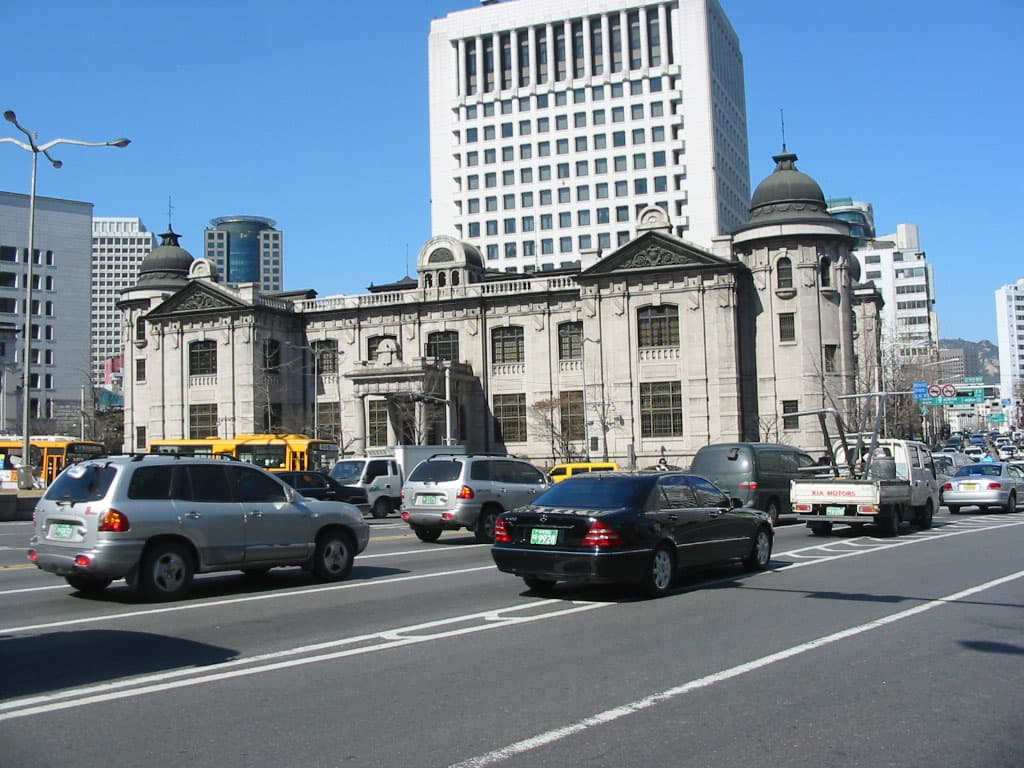
Why does this matter right now? February inflation landed exactly at 2.0%, hitting the target — but the Bank of Korea issued a direct warning that 'March will be different.' How much more will Iran war-driven oil price surges squeeze consumer wallets, and when will a rate cut become possible? You need to know this now.
TL;DR
- February CPI +2.0% YoY — meets BOK target for 6 consecutive months, lowest growth rate since August 2025
- BOK Deputy Governor Kim Woong convened a price situation review meeting on the morning of March 6 → officially announced: "Upward pressure on March prices has intensified due to the Middle East situation"
- International crude oil (Brent) surpassed $79 per barrel after Iran airstrikes (+8%↑)
- KRW/USD staying near 1,500 won → double shock on import prices
- Rate cut expectations retreating — market consensus is repricing odds of a first-half cut
📊 Real-Time Search Top 10 as of 7:00 PM KST on March 6
| Rank | Keyword | Category | Triggering Factor | Estimated Lifespan | Risk |
|---|---|---|---|---|---|
| 1 | WBC Korea-Japan Showdown | Sports | D-1 before March 7 Tokyo Dome game | Flash~Half day | None |
| 2 | Iran War / Middle East Situation | Breaking News | Ongoing US-Israel airstrikes on Iran | Long-term | Misinformation risk |
| 3 | KOSPI V-shaped Rebound | Economy | Technical rebound after sidecar trigger | Half day~1 day | Overheating |
| 4 | BTS ARIRANG | Entertainment | D-14 album release countdown | 1~3 days | None |
| 5 | Bank of Korea Inflation Warning | Economy | March 6 morning review meeting | 1~3 days | None |
| 6 | Gasoline ₩1,800 | Economy | Oil price surge triggered by Iran war | Long-term | Overheating |
| 7 | PLAVE BBUU! | Entertainment | 14 consecutive weeks at #1 on Billboard Korea | Half day | None |
| 8 | Yellow Envelope Act D-4 | Social | Implementation on March 10 imminent | 3 days | Incitement risk |
| 9 | Spring Travel / Cherry Blossoms | Consumer | Spring season start, Gyeonggi Boat Show | Long-term | None |
| 10 | Galaxy S26 | IT | Global launch on March 11 imminent | Half day | None |
Key Summary (3~6 lines)
On the evening of March 6, Korean search trends split into two major currents. Sports & Entertainment (WBC Korea-Japan D-1, BTS ARIRANG, PLAVE 14-week streak) and Economy & Security (Iran war, KOSPI, inflation, oil prices) are in a neck-and-neck contest. The fact that the Bank of Korea directly warned of "upward price pressure" today is being interpreted by markets as more than a routine data release — it is seen as a signal of a policy direction shift. Compared to earlier in the day, interest in WBC surged during the evening primetime slot, and spring travel-related keywords are newly entering the trending charts.
Key Observations
- 🔺 New entries: Spring flower travel (cherry blossoms, tulips, canola flowers), 2026 Gyeonggi International Boat Show opening
- 🔺 Surging: WBC Korea-Japan showdown (sharp spike in evening primetime), BOK inflation warning
- 🔻 Dropping: Lee Jae-myung Galac reunion, FIFTY FIFTY copyright case (down from yesterday)
1. The Facts — What Happened
At 9:30 AM on March 6, Bank of Korea Deputy Governor Kim Woong convened a price situation review meeting at the main headquarters in Jung-gu, Seoul. Despite the government's Statistics Korea releasing February Consumer Price Index (CPI) data that same day showing a +2.0% year-on-year increase — meeting the BOK target for 6 consecutive months — Deputy Governor Kim issued the following warning immediately after the meeting:
"The surge in global oil prices due to the Middle East situation has heightened upward pressure on March prices. We are maintaining a 24-hour monitoring system and reviewing scenario-based response plans."
February CPI breakdown:
- Petroleum products — Rate of increase narrowed month-on-month (February figures are pre-Iran airstrike)
- Agricultural, livestock & marine products — Remaining stable
- Services — Continuing at the upper 2% range (led by dining out & medical costs)
- Core inflation (ex. energy & food) — Holding at around 2%
2. Why It's Trending Now
The Iran war has completely rewritten the energy price equation. Following US-Israeli airstrikes on Iran in late February 2026, global oil prices surged, and the national average gasoline price in Korea broke through ₩1,800 per liter — the highest level in 3 years and 7 months.
- Brent crude: ~$79 per barrel (+8%, highest since January 2025)
- WTI: ~$72 per barrel
- KRW/USD exchange rate: Hovering near 1,500 won → double shock on import costs
- Strait of Hormuz: Continued blockade fears → futures price premium expanding
The February CPI was recorded before this shock was reflected. The oil price surge will start feeding into March prices in earnest.
3. Context & Background
The Bank of Korea had been maintaining a rate-cutting stance since late 2025, but pulled out the 'pace adjustment' card after the Middle East situation erupted. The current base rate stands at 2.75% per annum, and analysts say an additional cut in Q2 — which markets had expected — is now effectively off the table.
Structural vulnerabilities of the Korean economy:
- Oil import dependency of over 99% (Middle East dependency ~70%)
- Rising cost pressures on petrochemical and semiconductor exports
- High household debt ratio means a rate hike remains a 'double-edged sword'
Bloomberg headlined on March 5 (local time): "Korea's Inflation Holds Steady at BOK Target Before Iran Impact" — diagnosing that "February was a successful defense, but March is the real test."
4. Outlook
| Scenario | Probability (est.) | March CPI | Rate Direction |
|---|---|---|---|
| Base case — Oil stabilizes, Hormuz blockade resolved | 35% | 2.1~2.3% | Rate cut review in H2 |
| Deterioration — Oil continues rising, KRW weakens | 45% | 2.4~2.8% | Prolonged hold |
| Worst case — Hormuz blockade + sharp KRW depreciation | 20% | 3%+ | Emergency hike possible |
The BOK has officially stated it is preparing scenario-based responses for all three cases. The upcoming Monetary Policy Committee meeting on March 25 is expected to be the turning point.
5. Checklist — What You Should Do Now
Reference Links
- Korea JoongAng Daily — Middle East turmoil heightens inflation risks for Korea: BOK (2026.03.06)
- Yonhap — Consumer prices rise 2 pct in Feb., on gov't target (2026.03.06)
- Bloomberg — Korea's Inflation Holds Steady at BOK Target Before Iran Impact (2026.03.05)
- Aju Business Daily — BOK: 'March prices face greater upward pressure due to Middle East situation' (2026.03.06)
- Financial News — BOK: 'March inflation pressure building due to Middle East situation' (2026.03.06)
Image Credit
- Bank of Korea Headquarters Building (Seoul, built 1912) — Wikimedia Commons, Bank_of_Korea_002.jpg, CC BY-SA 3.0, photo by Hyolee2 (2011)