The $3 Miracle: Everything About the 'Bamboo Brush' That Transformed My Dishwashing Routine ✨
Introducing the $3 secret weapon that turns the chore of dishwashing into a healing ritual: the Bamboo Dish Brush. Discover an efficient kitchen routine that prioritizes hygiene, economy, and the environment.
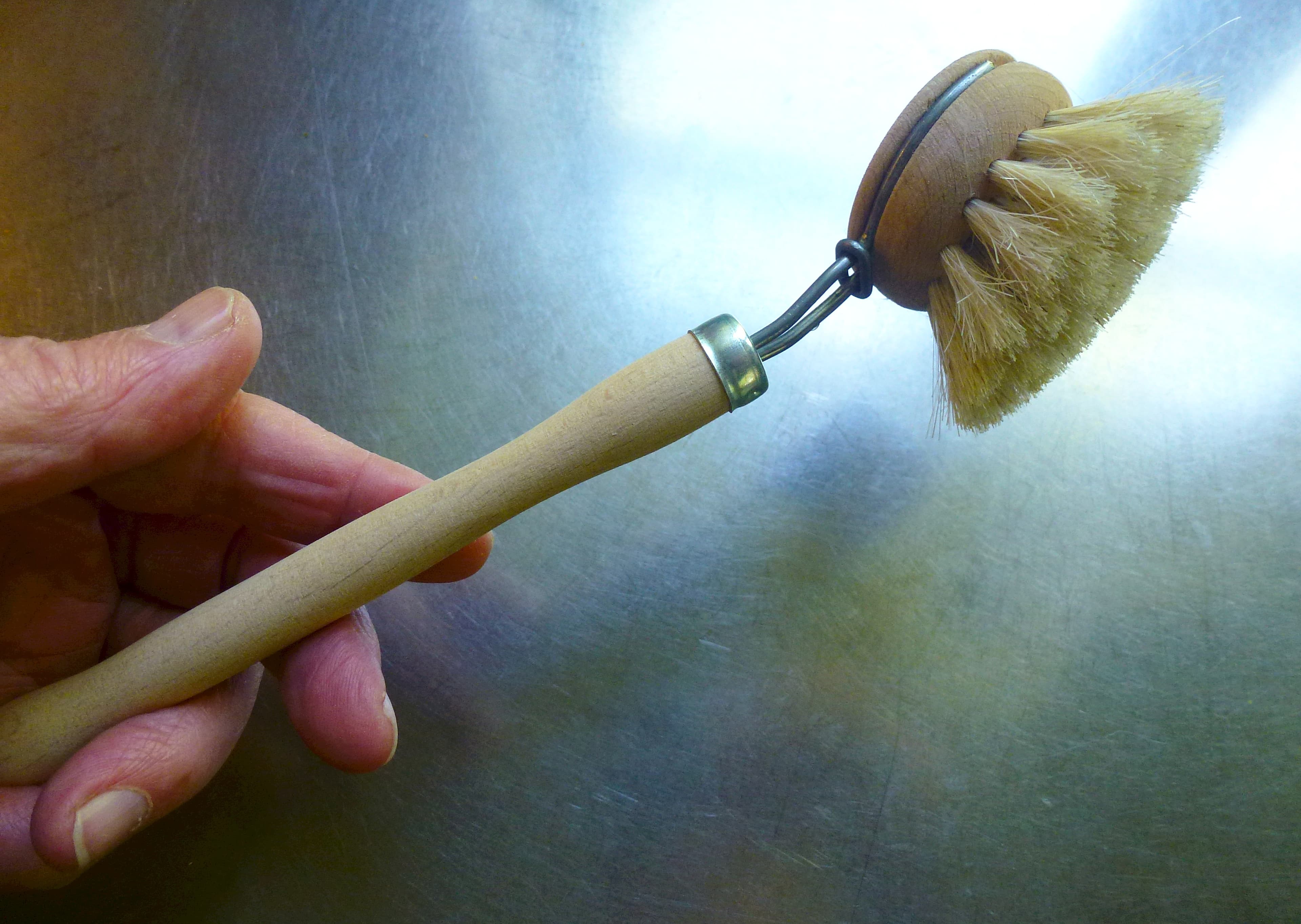
The $3 Miracle: Everything About the 'Bamboo Brush' That Transformed My Dishwashing Routine ✨
Hello, I'm Seji, a food curator at SejiWork. What is the one moment in the kitchen you’d most like to avoid? For many, it’s likely facing that mountain of dishes after a carefully prepared meal. The thought of greasy stains, dried food scraps, and a soggy, damp sponge is enough to make anyone lose motivation.
I, too, used to be an average home cook and enthusiast who viewed dishwashing as nothing more than a 'chore to be finished.' However, after discovering a small tool costing just $3, the landscape of my kitchen changed 180 degrees. Today, I want to share an in-depth story about the 'Natural Bamboo Dish Brush'—a tool that has drastically elevated the quality of my kitchen life.
Why I Ditched the Sponge and Chose the Brush
When we think of washing dishes, we usually imagine a sponge. However, sponges harbor more problems than we realize. The first is hygiene. Their porous structure easily traps food debris and stays damp, providing the perfect environment for bacteria to flourish. The second is the issue of microplastics. Synthetic sponges release tiny plastic particles during friction, which eventually end up in our food or our waterways.
A Kitchen Revolution: Discovering the Bamboo Brush
When I first bought this brush, I honestly didn't have high expectations. I purchased it with a light heart because 'the design was pretty' or because 'it's good for the environment.' But from the very first use, I couldn't help but be amazed by its powerful cleaning ability. This small tool with a handle fundamentally changed the mechanism of dishwashing from 'scrubbing' to 'sweeping.'
3 Key Strengths of the Bamboo Dish Brush
1. Ergonomic Design and Hand Protection
The greatest advantage of this brush is the handle. While sponges require you to apply pressure with your fingertips to scrape off food, the brush allows you to transfer power through your entire palm. This drastically reduces wrist fatigue. Furthermore, it minimizes the area of skin in direct contact with cold water or harsh detergents, making it excellent for preventing contact dermatitis.
2. Overwhelming Cleaning Power and Durability
The bristles, made from bamboo and natural sisal or coconut fiber, are much firmer than expected. Burnt cheese on a pan or dried rice grains are easily removed with just hot water and the friction of the brush. Unlike sponges that quickly lose their shape, these brushes maintain their form for months, boasting incredible cost-effectiveness.
Detailed Usage: How to Use Brushes by Type
- Soft Bristles: Suitable for washing scratch-sensitive items like glass cups or ceramic dishes.
- Hard Bristles: Specialized for removing burnt marks on cast iron pans or stainless steel pots.
- Narrow Head: Perfect for reaching into the corners of tumblers or the crevices of food containers.
3. Aesthetic Pleasure and Zero Waste
A wooden-textured brush placed on one side of the kitchen serves as a wonderful interior object in itself. Replacing a dull, neon-colored sponge with natural materials instantly creates a calmer atmosphere in the kitchen. Most importantly, the sustainability of returning it to compost once its life is over provides deep psychological satisfaction.
Changes in Dishwashing Routine: A 3-Step Process
Since introducing the brush, my dishwashing process has become much more efficient. Here is my $3 Routine:
Step 1: Dry Brushing
Before filling the sink with water, I use the dry brush to sweep away large food scraps. This process allows me to reduce detergent usage by more than half and prevents the dishwater from becoming dirty too quickly.
Step 2: Hot Water Foam Cleaning
Apply natural dish soap or liquid detergent to the brush and rub in a circular motion. Air flows between the bristles, creating a thicker, richer lather than a sponge. The rhythmic sound of the brushing makes the task feel almost like a rhythm game.
Step 3: Natural Drying and Maintenance
After cleaning, hang the brush on a hook in a well-ventilated area. Keeping the brush head facing downward allows water to drain quickly, ensuring hygienic storage.
Expert Perspective: How Small Tools Change Daily Life
As a food curator, I don't value kitchen tools based solely on 'function.' It is more important how that tool changes the user's mood. While $3 is cheaper than a cup of coffee, I am convinced that the visual satisfaction and labor reduction this brush provides are worth hundreds of dollars annually.
Furthermore, recent culinary trends have expanded beyond 'delicious food' to 'sustainable food culture.' The certainty that the tools I use do not harm the planet makes the joy of cooking and eating more complete. In that sense, the bamboo brush is the most modern yet fundamental kitchen solution.
Buying Tips and Cautions
- Check Materials: Ensure it is 100% natural (bamboo, coconut, etc.). Some low-cost products mix in plastic bristles.
- Replacement Cycle: Depending on frequency of use, it is hygienically best to replace it every 3 to 4 months.
- Disinfection Method: Once a week, soaking it in warm water mixed with vinegar for about 10 minutes provides a sanitizing effect.
Closing: A Small Change for Your Kitchen
My experiment, which started with just $3, has now become an indispensable routine in my life. Now, instead of feeling stressed while washing dishes, I take the time to calmly organize my day while feeling the texture of the wood. Why not introduce a small brush filled with natural vitality into your kitchen today, instead of an old, contaminated sponge?
A small change will make your post-meal scene much more elegant and pleasant. I hope the information shared today helps you in your delightful culinary life. This has been Seji, Senior Editor at SejiWork! I’ll be back next time with more insightful and sensible kitchen stories. Thank you!